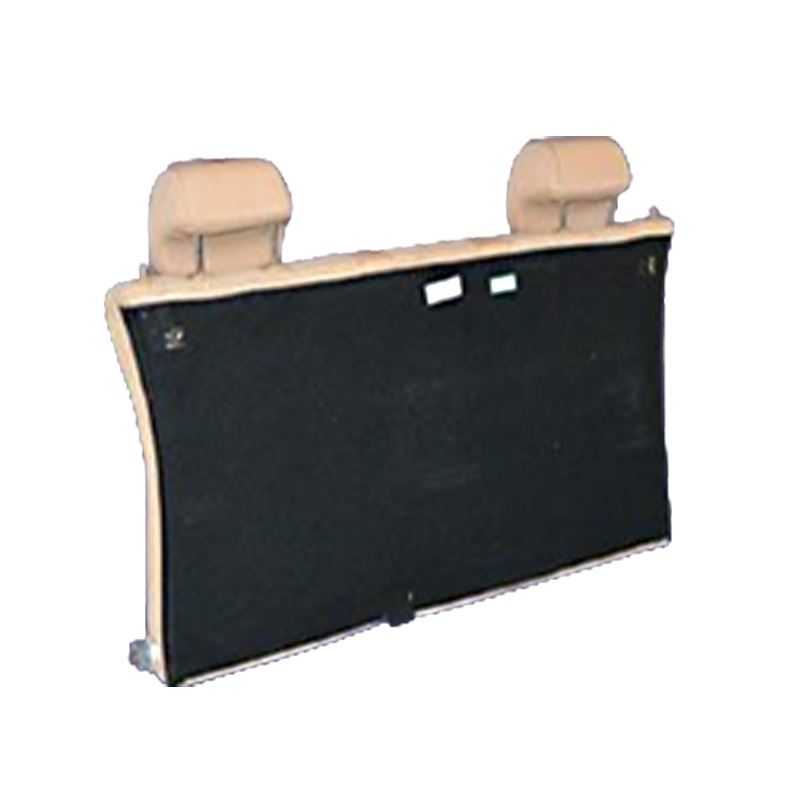

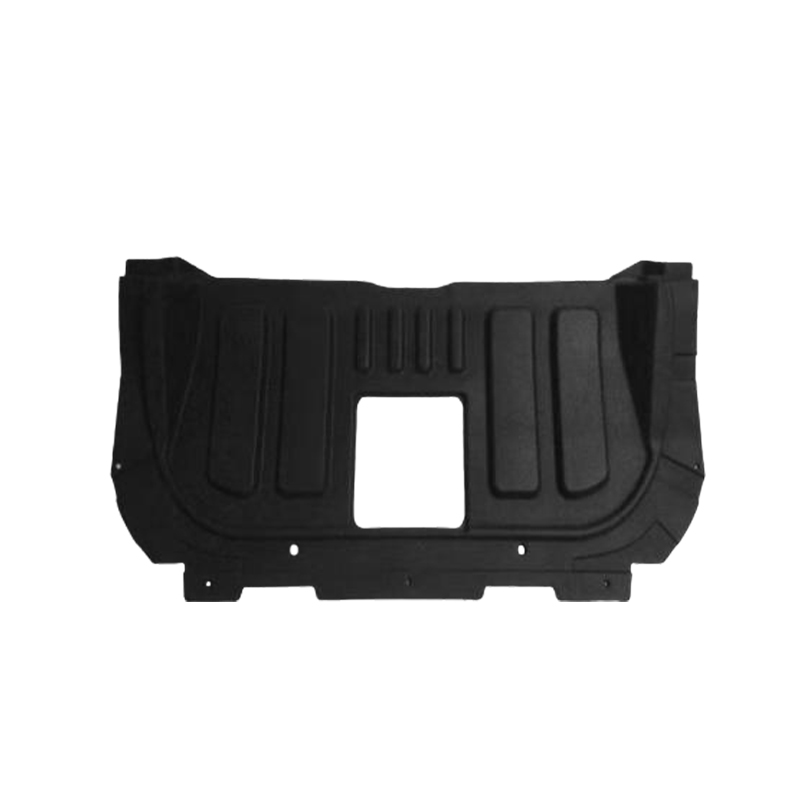
In the modern automotive industry's pursuit of lightweighting, environmental friendliness, and cost efficiency, traditional metal or single-plastic components are gradually being replaced by high-performance composite materials.
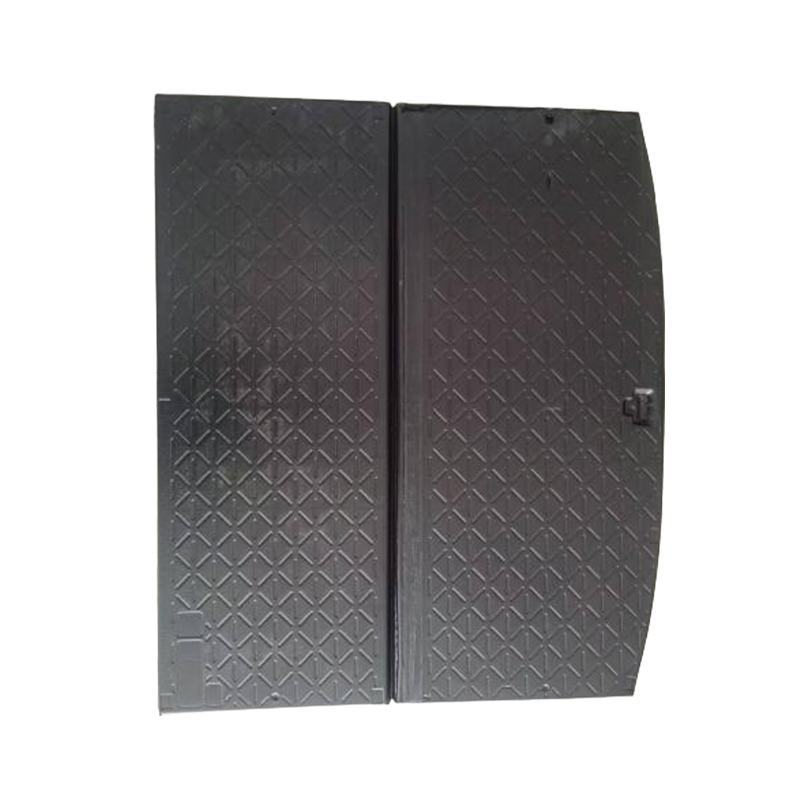
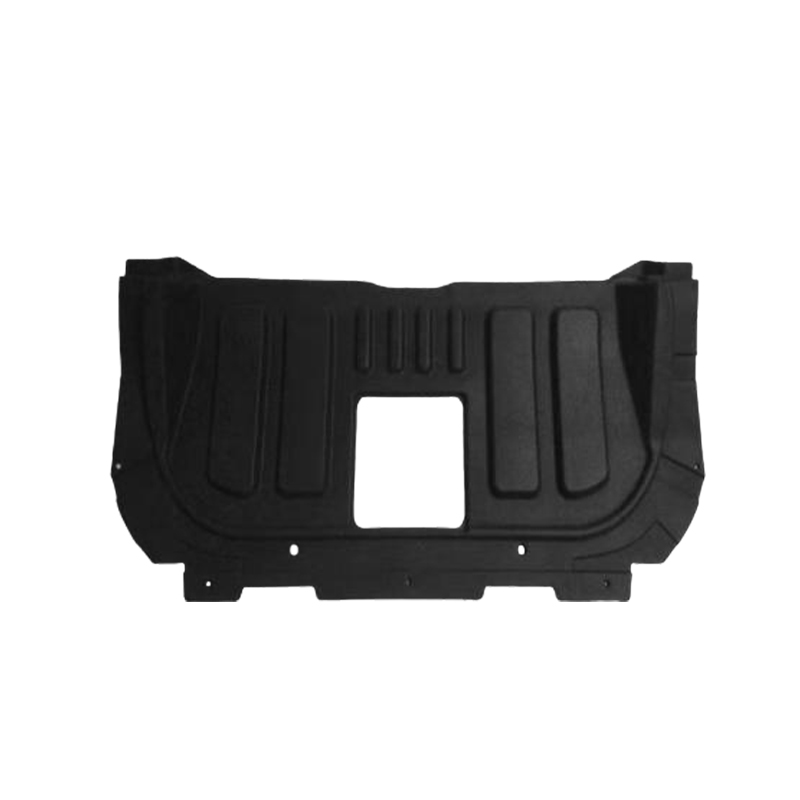
TPV sheets, with their superior comprehensive performance, are quietly playing a key role in "hidden weight reduction" in auxiliary systems such as sealing, cushioning, and vibration isolation.
Strict process specifications need to be established, such as controlling parameters like bolt tightening torque, adhesive curing temperature and time, to ensure that each connection node achieves the expected performance.
As the modern automotive industry continues to advance towards lightweighting, environmental friendliness, and comfort, a seemingly unassuming yet widely used material is quietly gaining prominence—PP composite board.
In today's automotive industry, driven by a relentless pursuit of lightweighting, environmental friendliness, and personalization, a material that combines performance and aesthetics is quietly transforming the look of car interiors—PP composite board.
In the increasingly stringent pursuit of comfort, safety, and environmental performance in the modern automotive industry, a often overlooked yet crucial role has quietly emerged—extruded fiberglass board.