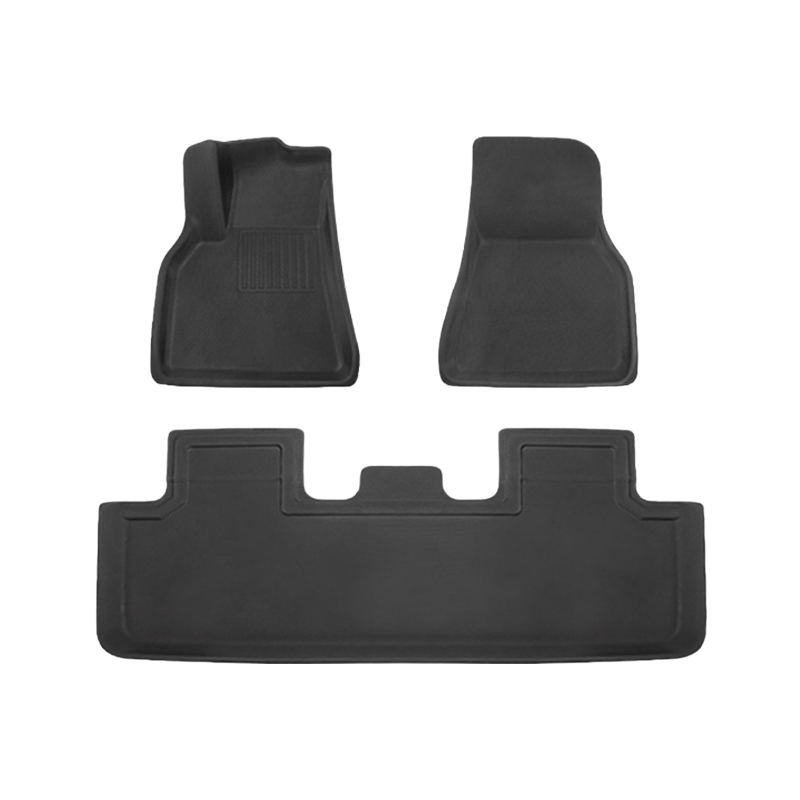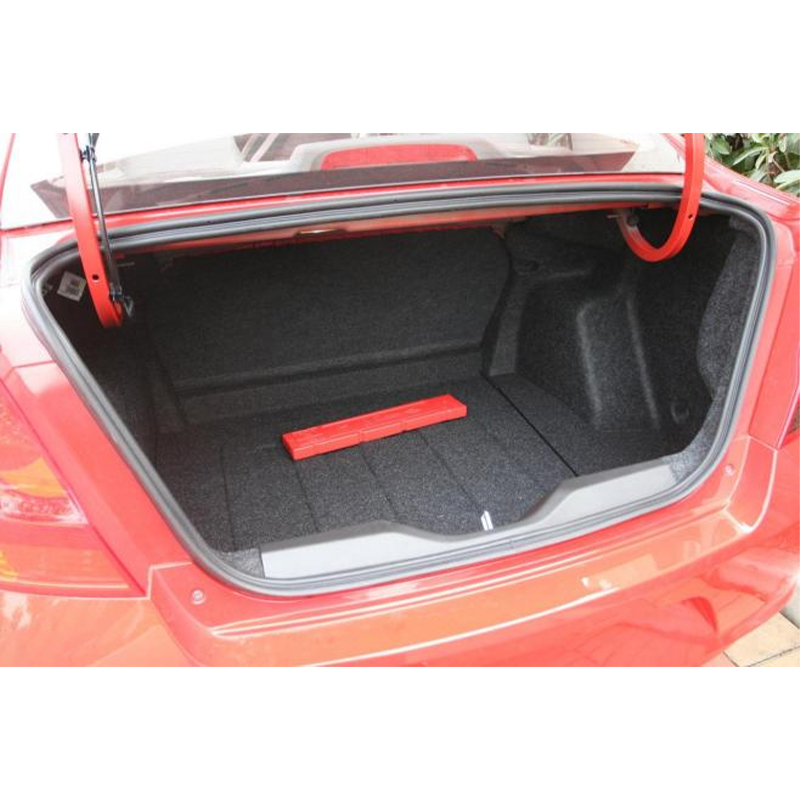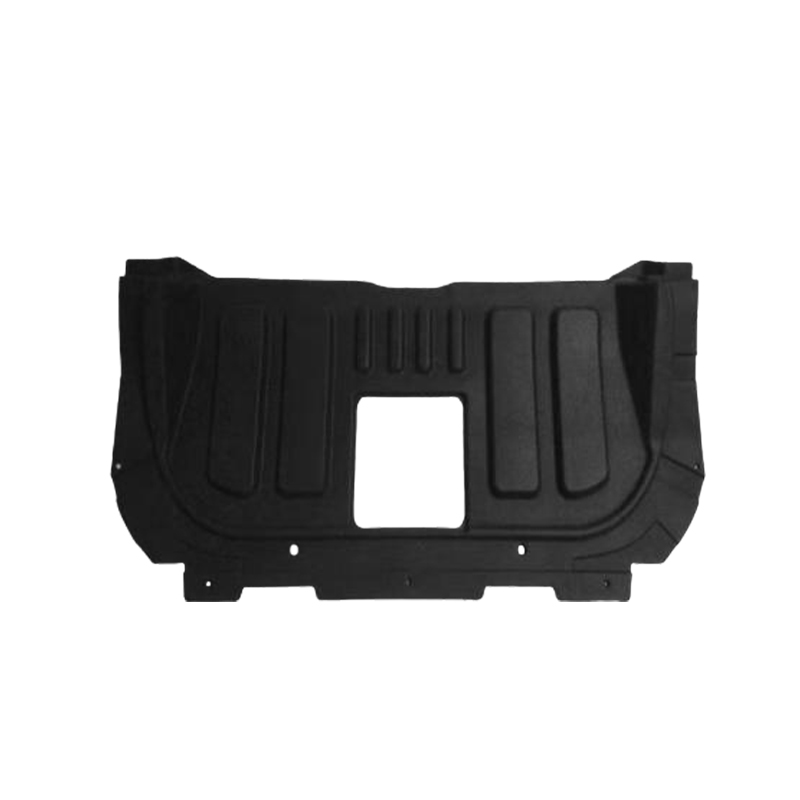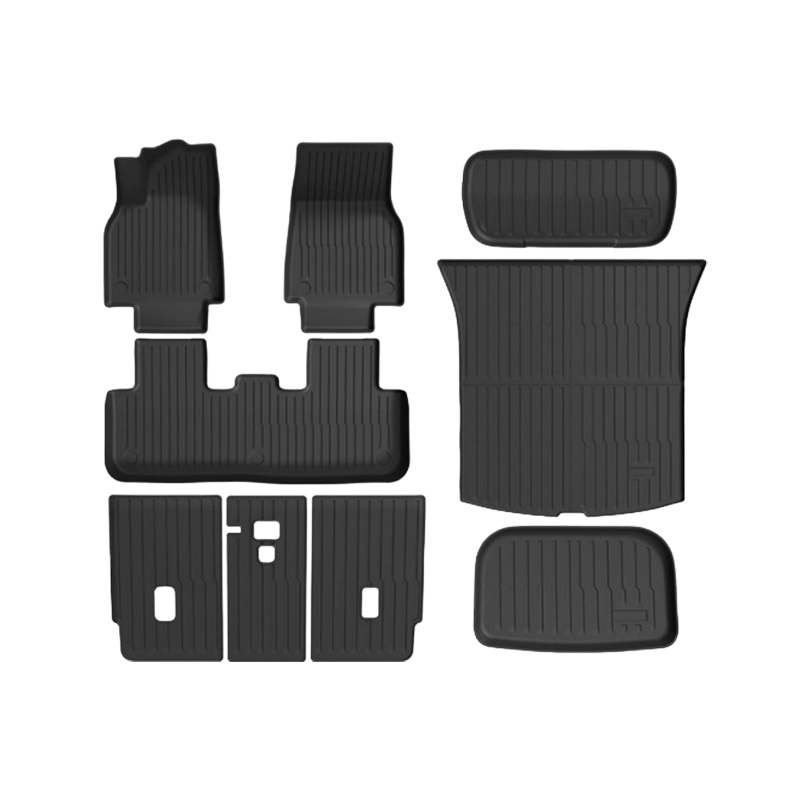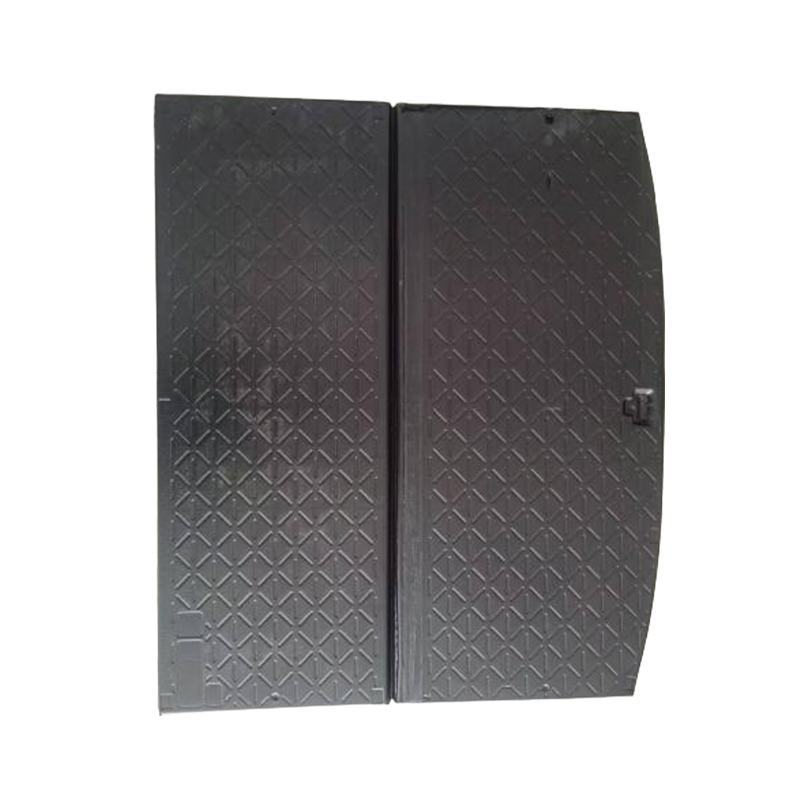

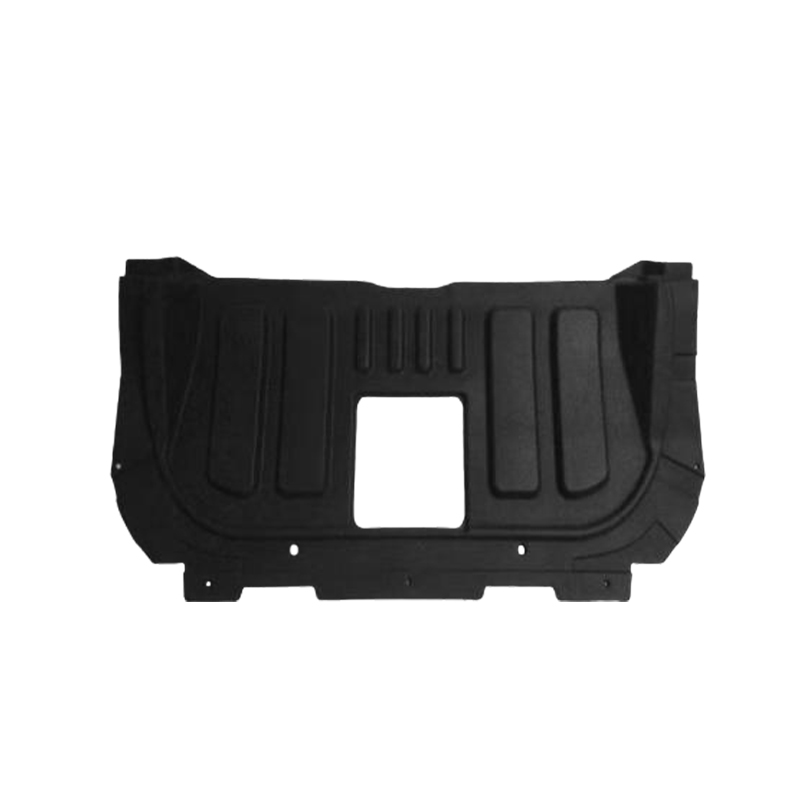
PP composite board molding technology, with its unique material modification and thermal processing characteristics, has become the preferred solution for manufacturing key components such as automotive side panels, seat backs, and headliners.
In the NVH control system of the modern automotive industry, XPE sheet has become an indispensable core material. From door linings to dashboard frames and chassis guards, XPE sheet, with its unique chemically cross-linked closed-cell structure, achieves
After the dot honeycomb panel is processed, residual internal stress can be eliminated through post-processing techniques such as heat treatment or vibration aging.
PP composite board (polypropylene composite sheet) has become an important material in the automotive manufacturing industry due to its excellent physical properties, lightweight characteristics, and high degree of customization.
With breakthroughs in materials science, thermoplastic vulcanized TPV sheets are gradually replacing traditional EPDM rubber and PVC, becoming the preferred material for automotive sealing components.
The replacement of PHC paper honeycomb panels with extruded fiberglass board as the new favorite for spare tire covers is a result of advancements in automotive material technology and evolving user needs.